
Therapy
Clay Therapy
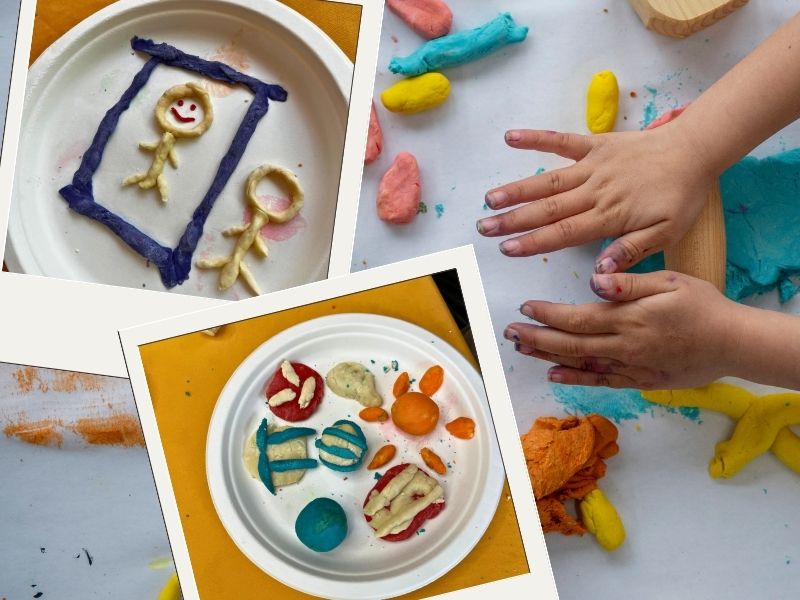
Clay Therapy offers a hands-on, calming way for children, teenagers, and young adults to express themselves. Working with clay helps ,reduce stress, improve focus, and strengthen fine motor skills while encouraging creativity and self-confidence.
Through molding and shaping, participants can explore emotions, develop patience, and experience the joy of creating something unique. Clay Therapy is more than art — it’s a pathway to relaxation, growth, and self-discovery.
Clay Workshop: Transforming Anger through Art
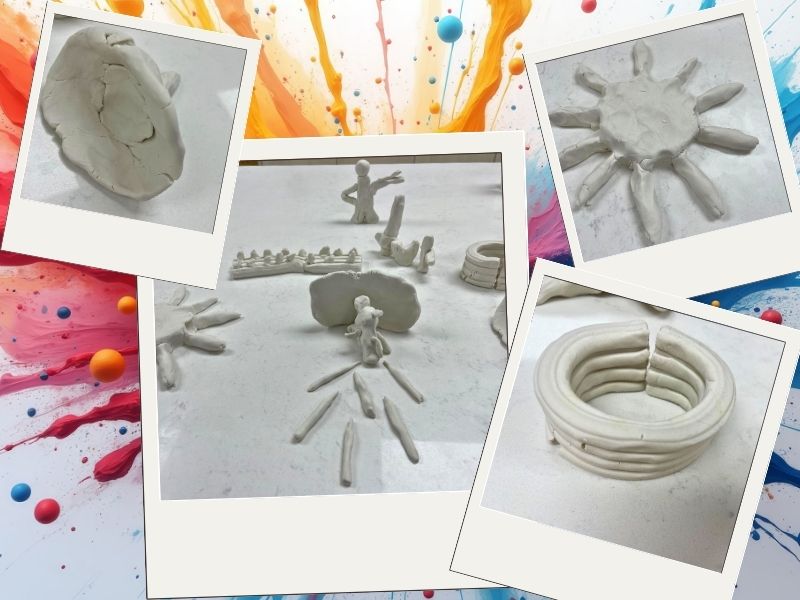
Clay Therapy offers a powerful, hands-on approach to managing anger. Anger is a natural human emotion—often triggered by frustration, injustice, or a sense of losing control. But when it's not understood or expressed in healthy ways, it can damage relationships, impact mental and physical health, and lead to destructive behaviors.
Using the healing properties of art to express what words often cannot, this creative, nonverbal method helps individuals explore intense emotions, release inner tension, and gain insight into the deeper causes of their anger. Through the grounding act of kneading, shaping, and molding clay, participants are gently guided to transform
emotional turbulence into calm, focused energy.
Colour Therapy: Supporting Emotional Well-being Through Art
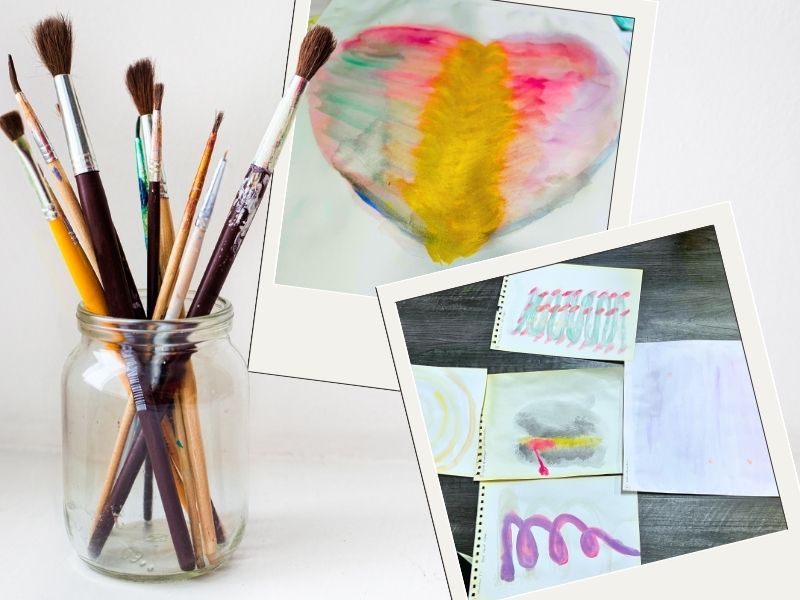
Colour therapy, often known as colouring or art-based therapy, is a simple yet effective approach to support emotional expression, focus, and self-regulation — particularly beneficial for individuals with special needs.
Engaging in colouring activities provides more than just artistic enjoyment. It creates space for individuals to express emotions in a non-verbal, safe, and structured way. The use of colours and repetitive movements can help reduce anxiety, promote relaxation, and enhance concentration.
For individuals with conditions such as ADHD, autism, or other developmental challenges, colouring serves as a practical tool to develop fine motor skills, improve attention span, and encourage self-expression without pressure.
Colour therapy can be tailored to meet different needs and abilities. Whether through structured colouring patterns or free expression with colours, the process helps participants build confidence, emotional awareness, and creative thinking.
It is not about artistic skill but about providing a calm, therapeutic space where colours become a language to express feelings, manage stress, and support overall well-being.
Sand Play Therapy: Healing Beyond Words
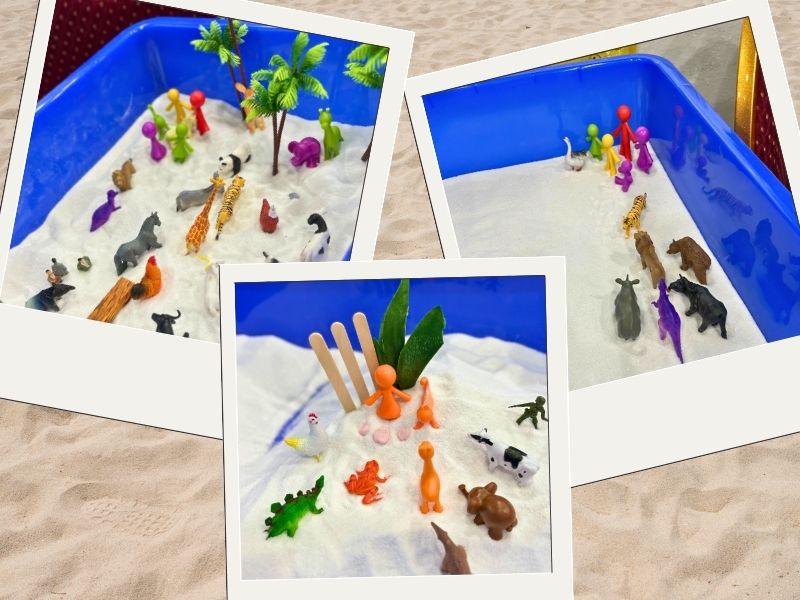
Sand Play Therapy is a creative and non-verbal form of therapy that uses sand, miniature figures, and sometimes water to help individuals express their inner world. By building scenes in a sandbox, clients can project thoughts, emotions, and unresolved experiences that may be
difficult to express verbally.
This method provides a safe, supportive space for both
children and adults to process difficult feelings such as trauma, anxiety, grief, or emotional conflict. Children often find it easier to express themselves through familiar mediums like sand and miniatures, allowing them to explore situations, relationships, and emotions in a comfortable way.
For adults, especially those affected by trauma or who have
difficulty with traditional talk therapy, Sand Play offers a symbolic, hands-on path to healing. By working through inner struggles on a symbolic level, individuals can gain new perspectives, emotional release, and greater resilience.
Sand Play Therapy gently supports emotional growth,
self-expression, and healing — making it an effective option for individuals of all ages, especially those facing emotional blocks or difficulties expressing themselves verbally.
Emotional Literacy
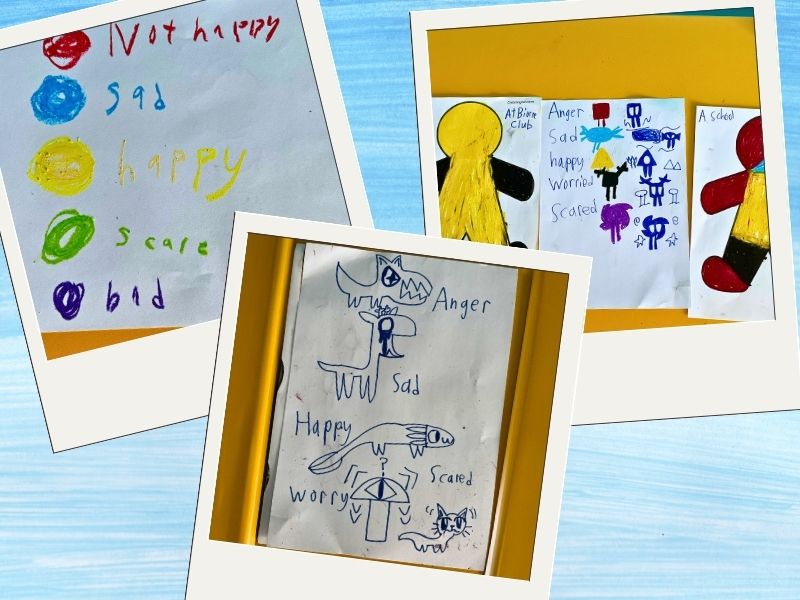
At its core, play is how children learn, explore, and express themselves. For many children, especially those facing emotional or developmental challenges, words are not always adequate to communicate what they feel inside. That’s where Play Therapy comes in.
Play Therapy is a structured, evidence-based approach that uses play as a natural language for children to express their emotions, process
life experiences, and develop essential coping skills. It provides a safe,
supportive space where children can explore feelings such as anxiety, anger, sadness, or confusion in a way that feels familiar and non-threatening. Through play, children can process challenges, express what’s hard to say in words, and move towards emotional healing — at their own pace.
This therapeutic approach is most commonly used with children aged 3 to 12, but can also benefit older individuals with special needs or communication difficulties. Through guided play, children build emotional awareness, problem-solving skills, and self-confidence.
Play Therapy can be particularly helpful for children experiencing:
- Emotional distress (e.g., anxiety, sadness, grief)
- Trauma, neglect, or family disruptions
- Behavioural challenges or social difficulties
- Developmental delays, autism, or ADHD